

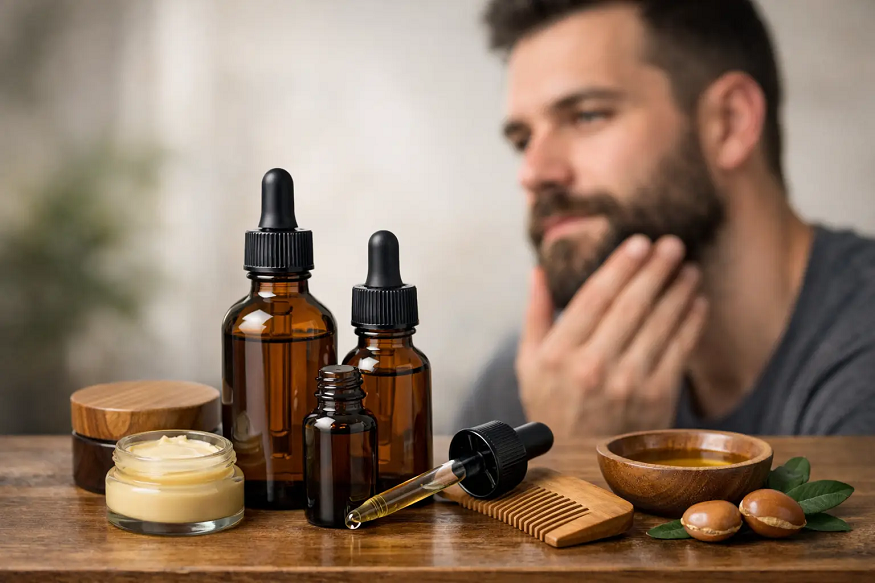
Facial hair care often begins as a simple routine, but as hair grows, the underlying skin frequently demands more attention than it receives. Many men find that the act of growing a beard changes the environment of the chin and cheeks, creating new needs for moisture and protection. Understanding how and when to incorporate the best beard oil into a daily habit can be a transformative step for comfort and appearance.
The Early Stages of Growth and Initial Skin Sensitivity
When hair first begins to emerge, the skin underneath is often unaccustomed to the increased density. New growth can pull on the skin’s surface, and the natural oils produced by the pores may no longer reach the tips of the hairs as easily as they once did. This often leads to a feeling of tightness or dryness.
Read More: Post Quitting Care: Removing Tobacco Stains & Preventing Hair Loss
At this stage, the goal of using a grooming product is primarily to soothe the skin. Applying a small amount of oil near the base of the hair can provide immediate relief from the discomfort that often accompanies stubble. Many people find that focusing on the skin rather than the hair itself helps minimize the irritation that often develops during the first few weeks of growth. Using beard oil during this period helps create a consistent environment for the hair to develop without the common pitfalls of itchiness or flaking.
How Your Needs Change as the Beard Matures
As the beard becomes longer and thicker, the challenges shift from skin irritation to hair manageability and texture. A fuller beard acts as a barrier that can trap environmental dust and debris, while the hair itself may start to lose its natural sheen due to friction against clothing or repetitive grooming.
At this point, the role of a high-quality product is to provide a protective layer for the individual strands. A well-formulated beard oil works by coating the hair, which helps to lock in moisture and soften the coarse texture that often develops. This makes the beard feel less like a dense thicket and more like a well-kept aspect of one’s appearance. Regular application at this stage typically makes the beard easier to style, as the hairs become more pliable and less prone to sticking out in erratic directions.
Identifying Signs That Your Routine Requires Adjustment
A common mistake is assuming that a product’s effectiveness is constant regardless of external conditions. The skin and hair react to environmental changes—such as increased humidity in the summer or dry, heated air during the winter—and the amount of product needed may fluctuate.
One sign that a routine needs adjustment is when the hair begins to feel weighed down or greasy. This is often an indication that the product is being applied in excessive amounts or that the formula may be too heavy for the current length of the beard. Conversely, if the hair remains brittle or the skin feels tight, it may be a sign that the beard requires more frequent application or that the product is being applied only to the tips of the hair rather than reaching the skin. Observing how the beard responds after a few hours can help determine if the current application frequency is appropriate. A thoughtful approach involves listening to these cues and being willing to adjust the amount used based on the changing demands of the season and personal activity levels.
Sustaining Long-Term Health and Grooming Results
Maintaining a consistently groomed look over the long term requires viewing the care process as a habit rather than a sporadic fix. The most effective results are typically achieved when the product is applied consistently, such as immediately after a shower when the pores are open and the hair is clean. This allows the ingredients to absorb more effectively, maximizing the benefits for both the beard and the underlying skin.
It is also beneficial to remember that the quality of the beard is influenced by systemic factors, including hydration and diet, which complement the external benefits of grooming products. Incorporating a grooming routine is not just about the aesthetic outcome; it is about establishing a ritual that keeps the skin healthy and the hair manageable. By treating the skin with the same care as the hair, many men find that they can avoid the common frustrations associated with longer growth
Read More: Tennessee Men’s Clinic Explains Men’s Health and Mental Wellness
Long-term success with facial hair care is rarely the result of a single “miracle” product. Instead, it is the result of consistent, daily maintenance and an understanding of what the skin needs to stay balanced. As you refine your approach, you will likely find that a reliable, high-quality beard oil becomes an essential tool in your kit. Choosing a product that uses ingredients suited to your personal skin type—whether it is more prone to dryness or irritation—can make a meaningful difference. Ultimately, the best way to ensure your beard remains healthy is to observe its condition, listen to what your skin is telling you, and remain flexible in your grooming habits as your hair continues to grow. By focusing on the fundamentals of hydration and consistent care, you create the foundation for a well-maintained, comfortable, and healthy beard for the long term.