

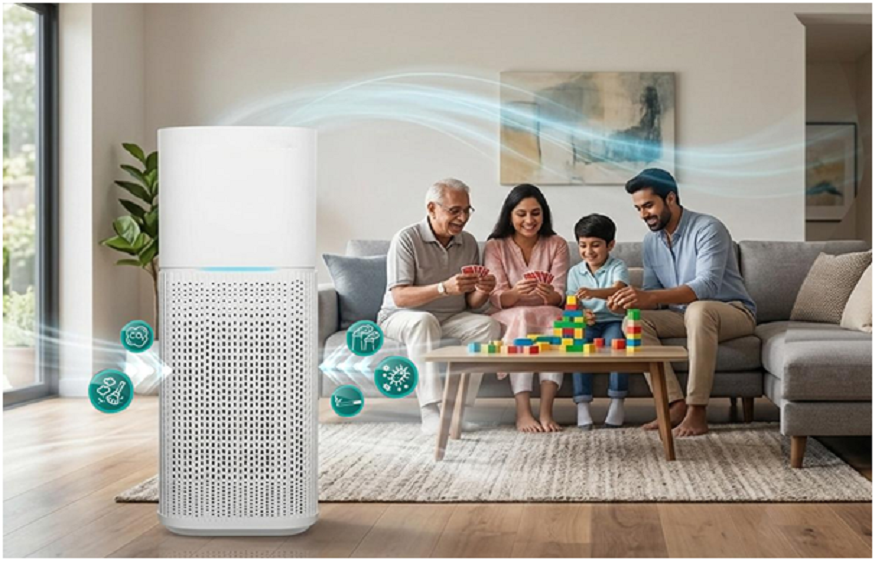
As air pollution continues to worsen across major cities such as Delhi, Chennai, and Kolkata, air purifiers are becoming an important part of everyday living. When evaluating an air purifier’s features and claims, it is natural to question whether it is truly effective or simply a marketing claim.
This article explores how air purifiers work, their effectiveness, and whether they are worth the investment.
What Is an Air Purifier?
An air purifier is an appliance designed to help reduce airborne contaminants and improve indoor air quality. It works by drawing in air and passing it through filters that capture fine particles such as dust, pollen, smoke, allergens, and, depending on the filtration system, even bacteria and other airborne pollutants. The filtered air is then circulated back into the room.
Read More : Ensuring a Pest-Free Home: A Comprehensive Guide to Professional Residential Protection
Air purifiers are especially beneficial for people who suffer from respiratory conditions such as asthma and allergies.
How Air Purifiers Work
Most air purifiers contain a motor-driven fan, one or more filters, and a vent for clean air discharge. Polluted air is sucked in through side or rear vents and then passes through multiple filtration stages, such as the following:
-
Pre-Filter
The pre-filter catches large particles such as dust, hair, and pet fur. This helps protect the subsequent filters and extends their lifespan.
-
HEPA Filtration
A High-Efficiency Particulate Air (HEPA) filter traps microscopic particles such as mould spores, pollen, pet dander, and bacteria as small as 0.3 microns. This is a core component of the air purifier.
-
Activated Carbon Filters
An activated carbon filter is specifically designed to remove gases, odours, and VOCs (Volatile Organic Compounds) from sources such as paints, cleaning products, and cooking, helping reduce unpleasant smells and chemical pollutants.
Effectiveness of an Air purifier
Air purifiers can improve indoor air quality when used correctly and in an appropriately sized room.
- They can remove airborne particles such as dust, pollen, pet dander, smoke, and PM2.5.
- Air purifiers help improve indoor air quality by continuously circulating and filtering the air, especially in enclosed spaces where pollutants tend to accumulate.
- Many users have noticed a reduction in allergy symptoms, less indoor dust buildup, and fewer lingering odours over time.
- During wildfire seasons or periods of high AQI, air purifiers can significantly reduce indoor exposure to harmful PM2.5 particles.
However, their effectiveness depends on filter quality, CADR rating, room size compatibility, and consistent maintenance.
What Should You Look for in an Air Purifier?
When selecting an air purifier for your home, consider the following features:
- Type of filtration technology – Pre-filter, HEPA, Active Carbon, UV light filter, and Ionic filter.
- Coverage Area and Clean Air Delivery Rate (CADR) –
- Small rooms (up to 200 sq. ft.) – Typically require an air purifier with a CADR of 100–150 m³/hr.
- Medium rooms (250–500 sq. ft.) – Generally need a CADR of 200–300 m³/hr for effective air purification.
- Large rooms (above 400 sq. ft.) – A higher CADR of 350+ m³/hr is recommended for faster and more efficient air circulation and purification.
- Noise Levels and Energy Efficiency – Consider air purifiers that operate at low noise levels to ensure quiet performance, especially during sleep or work.
- Filter Replacement and Maintenance – Check the cost and availability of filters before buying.
- Smart features – Check whether the air purifier includes a mobile app for remote monitoring, fan speed adjustment, and real-time air quality updates, offering greater convenience and control.
Conclusion
If you live in a polluted area or have respiratory conditions, an air purifier can help make indoor air cleaner and more breathable. It can reduce exposure to common pollutants such as dust, allergens, and smoke, especially in enclosed spaces.
Read More : Vacuum Cleaner Buying Guide: How to Choose the Right One for Your Home
While the air purifier price may vary depending on features and capacity, its overall effectiveness depends on choosing the right type, filter system, and room coverage. By understanding how different technologies work and matching them to your specific needs, you can make a practical decision to improve indoor air quality.