

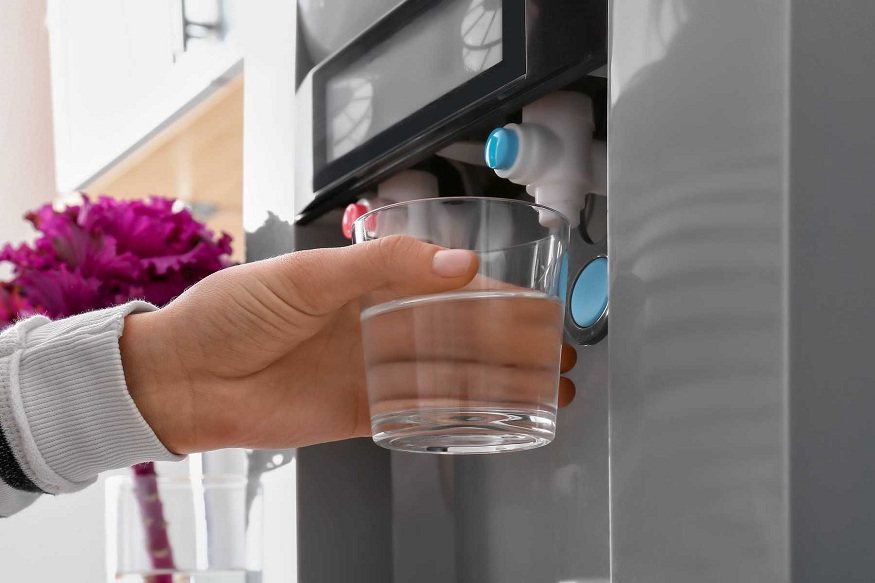
Choosing the right water purifier for borewell water is one of the most important decisions for household health and safety, especially in areas where underground water contains high levels of dissolved impurities. Borewell water often carries unique challenges, such as elevated Total Dissolved Solids (TDS), hardness, chemicals, and microbes. To ensure safe drinking water, it’s essential to understand what purification technology works best and why.
Why Borewell Water Needs Special Treatment
Borewell water differs significantly from treated municipal water. While municipal water is usually filtered and disinfected, groundwater drawn from borewells often contains:
- High TDS (Total Dissolved Solids): Includes dissolved salts, minerals, and metals.
- Hardness: Presence of calcium and magnesium compounds that affect taste and can form scale.
- Microbial Contamination: Bacteria and pathogens if the aquifer is contaminated.
- Chemical Impurities: Nitrates, fluoride, arsenic or industrial pollutants (in some areas).
Since these contaminants can affect health and appliance performance, a generic purifier may not be sufficient.
Which Purification Technology Suits Borewell Water?
Different purification technologies target different contaminants. For borewell water, especially with high TDS, a combination approach is usually best:
1. Reverse Osmosis (RO) – For High TDS Removal
Reverse Osmosis is the most effective technology for reducing dissolved impurities like salts, heavy metals, and chemical contaminants. In RO purification, water is forced through a semi-permeable membrane that traps impurities and allows only clean water to pass through.
Read More : Top 10 Wire Manufacturers in India (2026 Complete Guide)
This technology is essential when TDS levels exceed safe limits because it actively lowers dissolved solids to drinkable levels. That is why RO Water Purifiers are widely considered the most suitable choice for borewell water in many households.
2. UV (Ultraviolet) – For Microbial Safety
While reverse osmosis removes dissolved solids, it doesn’t directly neutralise all bacteria and viruses. UV purification uses ultraviolet light to deactivate harmful microorganisms, making the water biologically safe.
For borewell water, which can carry microbial contamination, UV treatment adds an important layer of protection.
3. UF (Ultrafiltration) – For Physical Filtration
UF works like a fine sieve, filtering out sediments and larger impurities but not affecting dissolved salts. Ultrafiltration is especially useful when borewell water contains visible turbidity or suspended particles.
Often, UF is paired with RO and UV for a multi-stage purification system that addresses a broader range of contaminants.
4. TDS Controllers or Mineralisers
One concern with reverse osmosis is that it can remove beneficial minerals along with harmful ones. Many modern purification solutions address this by reintroducing healthy minerals or adjusting TDS after purification to improve taste and nutritional value.
Read More : Vacuum Cleaner Buying Guide: How to Choose the Right One for Your Home
Including a mineraliser or TDS controller ensures that the treated water not only is safe but also tastes better and retains essential minerals like calcium and magnesium.
Other Factors to Consider
- Water Hardness
High calcium and magnesium levels can cause scaling and affect taste. Choose a purifier with a hardness reduction or softening stage for better protection. - Storage Capacity
In areas with power cuts, adequate tank capacity ensures uninterrupted access to clean water. Pick a size based on daily household usage. - Maintenance and Service
Filters and membranes need timely replacement to maintain efficiency. Regular servicing preserves water quality and extends the purifier’s lifespan.
Conclusion
When it comes to borewell water, there is no shortcut to safe purification. Its naturally high TDS, hardness, and possible chemical or microbial contaminants demand more than basic filtration. In most cases, a system that combines RO, UV, and UF technologies along with a TDS controller or mineraliser provides the most reliable protection.
That said, the right purifier always depends on your specific water quality. By testing your water quality and selecting the right configuration, whether a standard unit or an under-sink water purifier, you can ensure clean, balanced, and great tasting water every day while safeguarding your family’s health.